
Water Conservation & Sanitation
Water scarcity and unsafe sanitation still shape daily life for millions of rural households. ECCON works to secure water at its source, protect its quality, and connect it to the sanitation and hygiene systems that keep communities healthy.
In much of rural India, the walk to fetch water is still measured in hours, and the water at the end of that walk isn't always safe to drink. Falling water tables, drying springs, and contaminated sources compound into a daily burden that falls hardest on women and children.
ECCON's water work moves from source to tap to toilet — capturing and recharging water where it falls, reviving the rivers and springs communities have always relied on, and pairing all of it with the sanitation and hygiene systems that turn water access into real health gains.
Rainwater Harvesting
Capturing every drop before it's lost
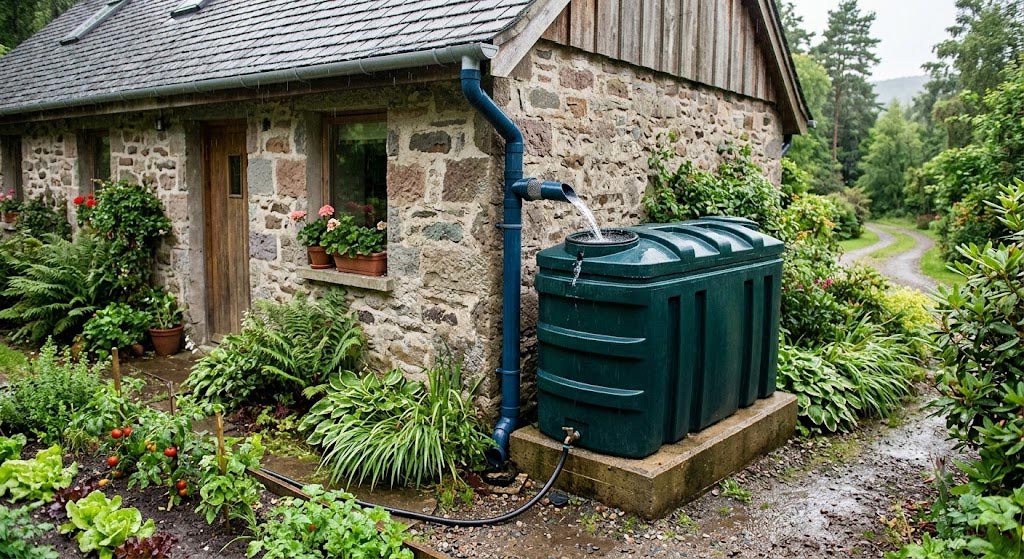
Most rainfall runs off before it ever reaches the ground it's needed on. We build rooftop and surface harvesting systems that catch this water at the source, cutting dependence on wells and tankers during the dry months.
- Rooftop harvesting structures for homes and schools
- Community-scale harvesting and storage systems
- Percolation pits and recharge trenches
- Training on long-term structure upkeep
Groundwater Recharge
Replenishing the aquifers communities rely on
Where water tables have fallen year after year, we build the structures that let rainfall soak back into the ground — check dams, recharge wells, and percolation tanks — placed using local aquifer knowledge so recharge actually reaches the source.
- Check dams and recharge wells in water-stressed areas
- Percolation tanks and farm ponds
- Groundwater level monitoring with community volunteers
- Aquifer mapping to guide recharge structure placement
River and Spring Rejuvenation
Reviving the water sources villages grew around
Many hill villages were founded around a spring that no longer flows the way it once did. We restore degraded catchments, desilt choked streams, and work with communities to protect the recharge zones that keep these sources alive.
- Springshed development and catchment restoration
- Desilting and cleaning of rivers, streams, and ponds
- Community-led spring protection committees
- Catchment afforestation to sustain natural recharge
Water Quality Monitoring
Making sure water that looks clean, is clean
Contamination is often invisible until it makes people sick. We test drinking water sources regularly, train local residents to run basic tests themselves, and connect flagged contamination to health and water authorities before it becomes an outbreak.
- Regular testing of drinking water sources
- Training community members as local water testers
- Contamination alerts and remediation support
- Data sharing with local health and water authorities
WASH Programs
Connecting clean water to healthier lives
Access to water only improves health when sanitation and hygiene keep pace with it. Our WASH programs build household and school toilets, run hygiene behaviour change campaigns, and support menstrual hygiene management so water access translates into fewer illnesses and more school days.
- Household and school toilet construction
- Hygiene behaviour change campaigns
- Menstrual hygiene management awareness and support
- WASH infrastructure in public and community spaces
Sustainable Water Management
Making every drop count, for the long run
Harvesting and recharge only hold up if the water they secure is used wisely afterward. We help villages plan their water budgets, adopt efficient irrigation, and set up user committees that balance farming, drinking, and livestock needs fairly across the community.
- Village-level water budgeting and planning
- Drip and efficient irrigation promotion
- Formation of community water user committees
- Balanced water use across farming, homes, and livestock
Why our approach works
These six focus areas aren't run as separate programs — they're designed to reinforce one another on the ground, guided by a few principles that shape every water project we take on.
Community-centered
Every structure and system is planned with the households who will fetch, use, and maintain it — not built for them from outside.
Science-based
Aquifer data and water quality testing — not guesswork — decide where structures go and when they need attention.
Locally rooted, widely relevant
Solutions are matched to each watershed's terrain, then refined into models neighbouring villages can adopt.
Built for the long term
We stay engaged after construction, because a well-maintained structure lasts decades and a neglected one fails within one.